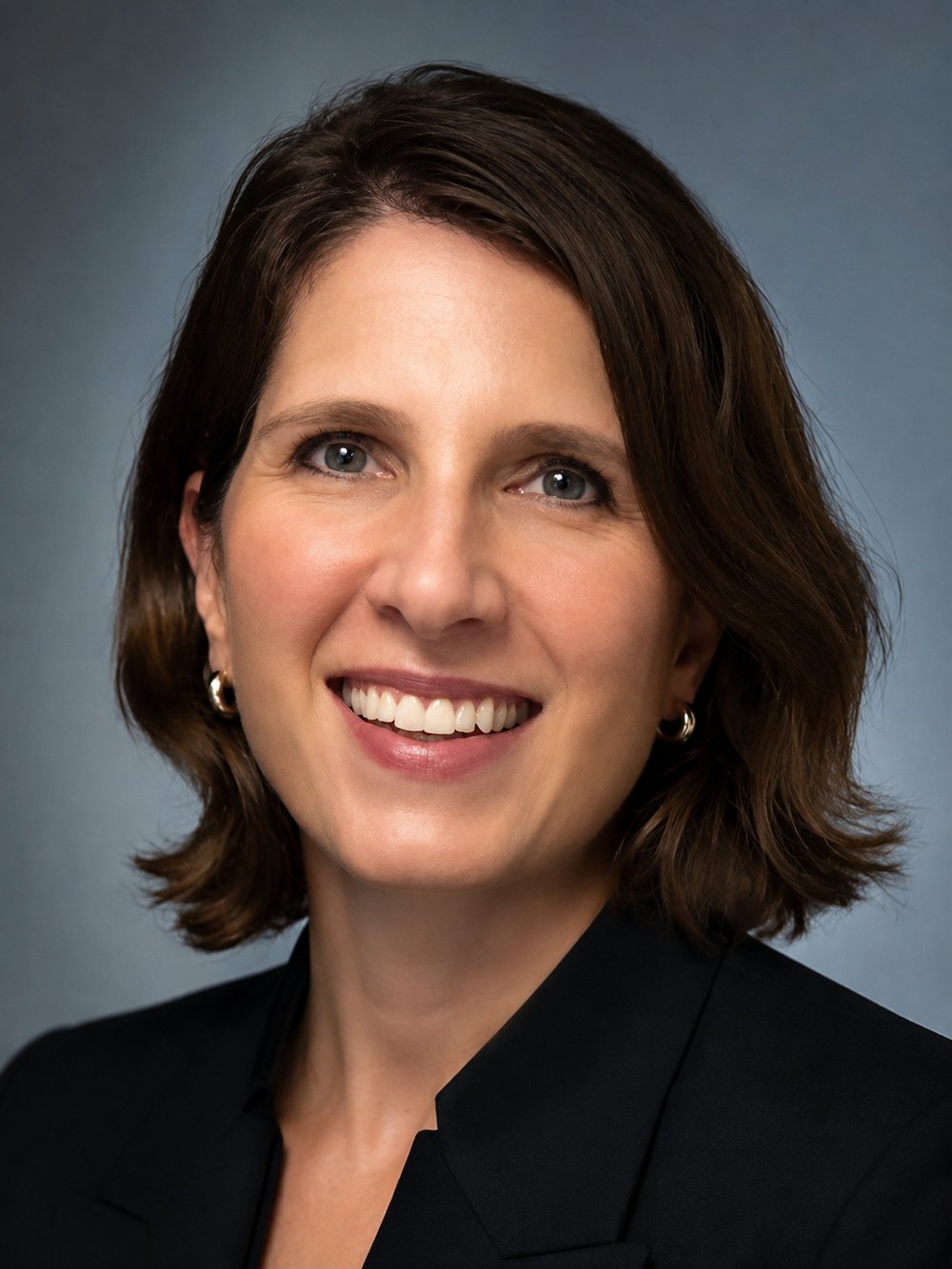
Reena Mueller
A strategy only pays off when the organization can carry it. That’s the part I’ve spent my career on.
15+ years leading the people side of major change inside global enterprises, primarily in the U.S. and also across the Americas, EMEA and Asia.
Making transformation work requires treating it as an adaptive process, not a linear journey toward a fixed end state. Strategy may evolve before the plan is finished, so adaptability belongs in the plan from the start: phased execution, an iterative roadmap, and early results and feedback that shape what comes next. Each phase should deliver business value and build the capability, leadership ownership and capacity the next one needs, so the organization keeps improving throughout and after the formal program ends.
What I look for.
The business and how it operates
-
What the business needs next.
Where it’s heading, what the organization has to deliver, and at what cost.
-
How the work gets done.
How work flows end to end, what to cut, simplify or automate, and where judgment is needed.
-
How the organization is structured and resourced.
Structure, spans and layers, what to own, share or source outside, and what each option costs.
People, decisions and performance
-
What each role is for.
Purpose first, then tasks. The tasks that look routine often carry the judgment that makes the role valuable, and need protection from being cut or automated by mistake.
-
Who decides, who owns the result, and how it’s checked.
Where decisions sit, where they get stuck, and who answers for each outcome, including work done by AI. Checks are designed into the work, because people trying harder doesn’t scale.
-
What the measures reward.
People follow what gets measured and recognized. If the measures stay the same, the organization drifts back to the old way.
-
Which capabilities to build, and how people still learn.
What to own, build or source, and how people still build expertise when the work that taught them changes.
-
Whether leaders and managers can lead it.
Defining what good looks like, assessing what comes back, keeping the team’s judgment sharp, and building trust that brings problems to the surface early.
Making it work in practice
-
The safeguards nobody wrote down.
The informal checks, connections and knowledge that keep the organization working. Not all of them should be kept: some are workarounds for a flawed design. The task is to tell which is which.
-
The transition.
Sequence, risks, ownership and measures, tracked against the business case and adjusted along the way.
One about cost. One about growth.
Take significant cost out of a multi-country supply chain without losing the ability to deliver.
Led the global HR & change workstream across six supply chain function workstreams and 30+ projects: organization design, spans and layers, restructuring, strategic workforce planning for site consolidation and location expansion strategy. Forecast skills and capacity needs, and modeled the cost scenarios. Built the retention risk framework that protected critical roles, and the HR dashboards for steering committee tracking.
The program exceeded its initial $280M savings target.
A U.S. business with about $700M in revenue, growing again after years of contraction and needing to win share in a competitive market.
As HR partner to the Chief Revenue Officer, led the people strategy as the operating model evolved, including how sales and customer success teams were restructured to better align resources to revenue impact and scale account coverage and support without customer disruption.
57 net-new roles built out in one quarter, the team in scope scaled by 16%.
Your business ambition is the starting point.
-
Business strategy
What value must we create?
Key questions- Where are we heading?
- What outcomes matter?
- What’s the value agenda?
-
Operating model
How should work, technology, resources and structure come together?
Key questions- How will we deliver?
- What’s the right mix?
- Where’s the value?
-
Organizational design
How should roles, decisions, capabilities and management work?
Key questions- Who does what?
- Who decides?
- What gets rewarded?
-
Organizational effectiveness
What informal capabilities, safeguards and behaviors make the design work?
Key questions- What’s the culture?
- Where are the risks?
- How do we build capability?
-
Business performance
Better outcomes, sustainable economics and the ability to adapt.
Key questions- Are we delivering?
- Is it sustainable?
- What’s next?
Align, engage and equip people to adapt to the new way of working, and keep improving.
Hands-on, from the first week.
I work alongside your people, so the new way of working is theirs when I step back.
Not a project office, not a consultant. The leaders and managers who run the work every day carry it, and I coach them through it, so they can lead the change, not just announce it.
Ambition sets the direction, the decisions and workflow need thorough mapping.
If a manager can’t explain the new setup in two minutes, it won’t hold.
I’ve built and piloted the tools, not just advised on them, so the redesign reflects what AI can reliably do today and where people’s judgment still has to carry the work. Completing MIT Sloan’s program on operating models for human+agent teams (December 2026).
Start with a conversation.
A free 30-minute scoping call about your priorities and where the organization is holding you back. If it's a fit, you'll have a proposal within a week.